
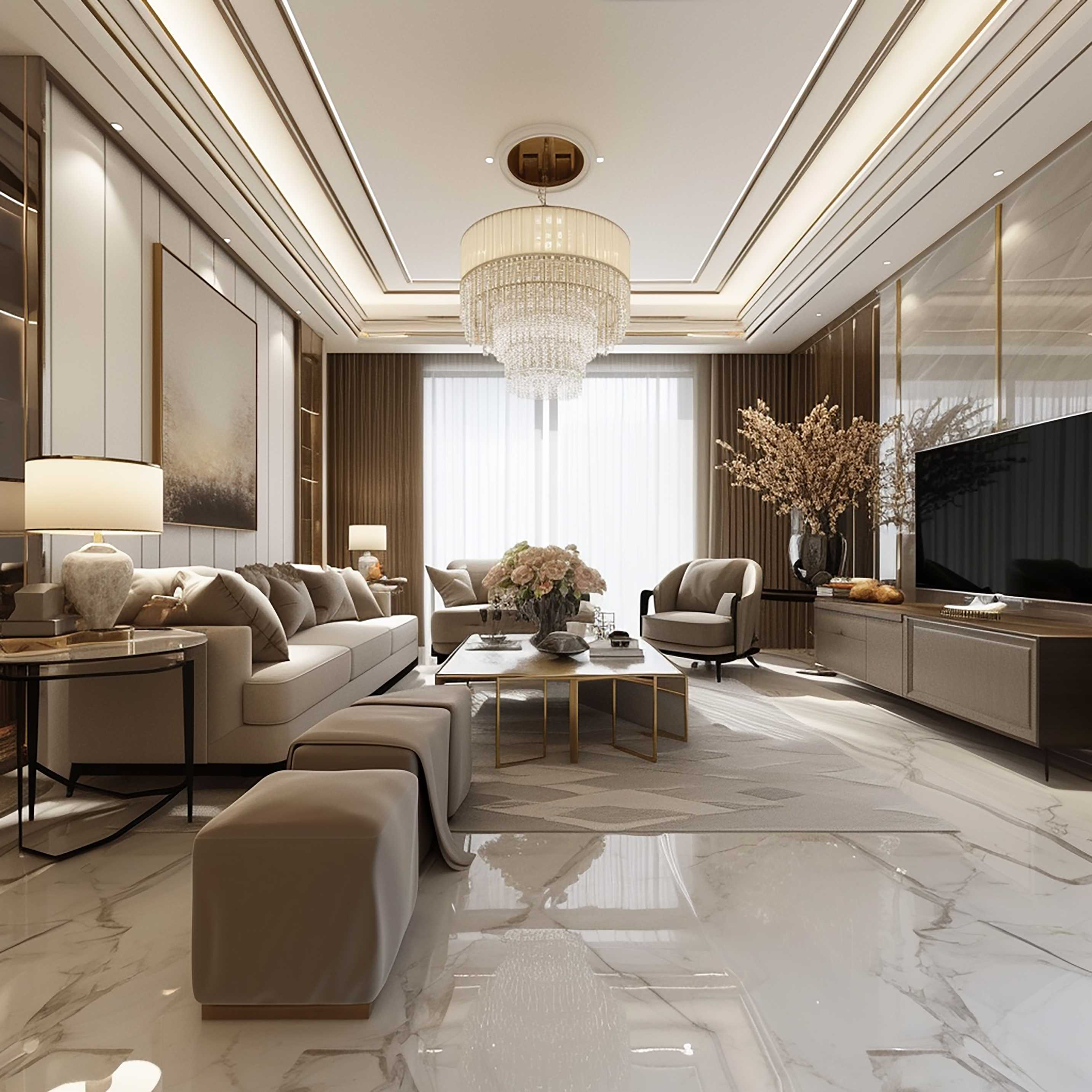
A false ceiling can transform the appearance of a home by improving its visual appeal, supporting lighting arrangements, and concealing electrical wiring and other services. However, choosing the right material is essential for achieving a ceiling that looks attractive, lasts well, and suits your room's requirements.
Among the most popular options, Gypsum False Ceiling, POP False Ceiling, and PVC False Ceiling each offer different benefits. Factors such as moisture exposure, design preferences, installation requirements, maintenance, and budget can influence your decision.
In this guide, Aadya Interiors explains the differences between these false ceiling materials and how to select a suitable option for living rooms, bedrooms, bathrooms, and other spaces.
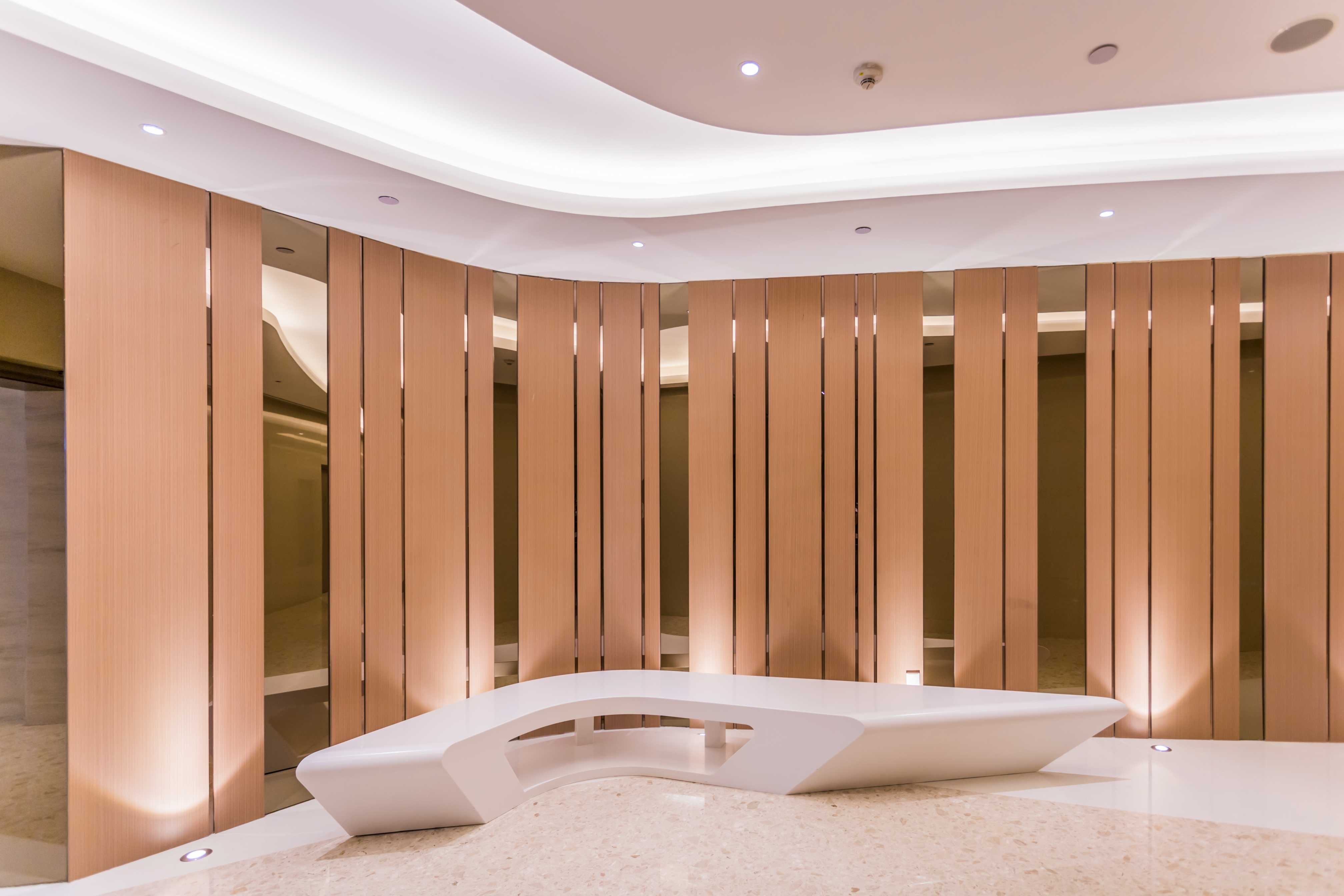
False ceilings are secondary ceilings installed below the main structural ceiling. They can improve interior aesthetics, accommodate lighting, and help conceal wiring, pipes, and uneven surfaces.
Common false ceiling materials include gypsum boards, Plaster of Paris (POP), PVC panels, metal panels, and wood-based materials.
Among these types of false ceiling, gypsum, POP, and PVC are widely considered for residential interiors. Each material has specific installation requirements and performs differently depending on the environment.
Understanding these differences helps homeowners select false ceiling design materials that balance appearance, functionality, and maintenance needs.
A Gypsum False Ceiling uses factory-manufactured gypsum boards fixed to a metal framework. The joints are finished, and the surface can be painted to match the room's interior design.
Gypsum boards are popular because they provide a smooth finish and support a variety of designs, including simple layered ceilings, recessed lighting, cove lighting, and geometric patterns.
Some important advantages of gypsum ceilings include:
- Smooth surface: Provides a uniform finish suitable for modern interiors.
- Contemporary appearance: Works well with clean and minimal ceiling designs.
- Lighting flexibility: Supports different lighting arrangements, including recessed and cove lighting.
- Installation: Relatively quick installation when the framework and site are properly prepared.
Standard gypsum boards are not intended for prolonged water exposure. Moisture-resistant varieties may be suitable for certain humid environments when installed according to manufacturer recommendations, but they are not automatically waterproof.
A gypsum ceiling is a practical choice for homeowners seeking a neat, seamless finish.
A POP False Ceiling uses Plaster of Paris, a powder mixed with water to create a workable material that hardens as it sets. It is commonly applied over a suitable framework or used to create decorative ceiling features.
POP is particularly useful for customised designs, curved shapes, ornamental details, and decorative mouldings. Its flexibility makes it suitable for homeowners who prefer personalised ceiling patterns.
Key advantages of POP false ceilings include:
- Design flexibility: Allows creative and customised ceiling designs.
- Decorative patterns: Suitable for curves, ornamental details, and mouldings.
- Smooth finish: Can provide a smooth surface when applied and finished correctly.
- Custom features: Useful for creating personalised ceiling elements.
However, POP work requires skilled application and sufficient drying time. Poor workmanship or improper preparation may lead to cracks or surface imperfections.
POP is also unsuitable for persistent dampness unless the underlying moisture issue is resolved and an appropriate system is selected. Choose POP when design flexibility and decorative detailing are important priorities.
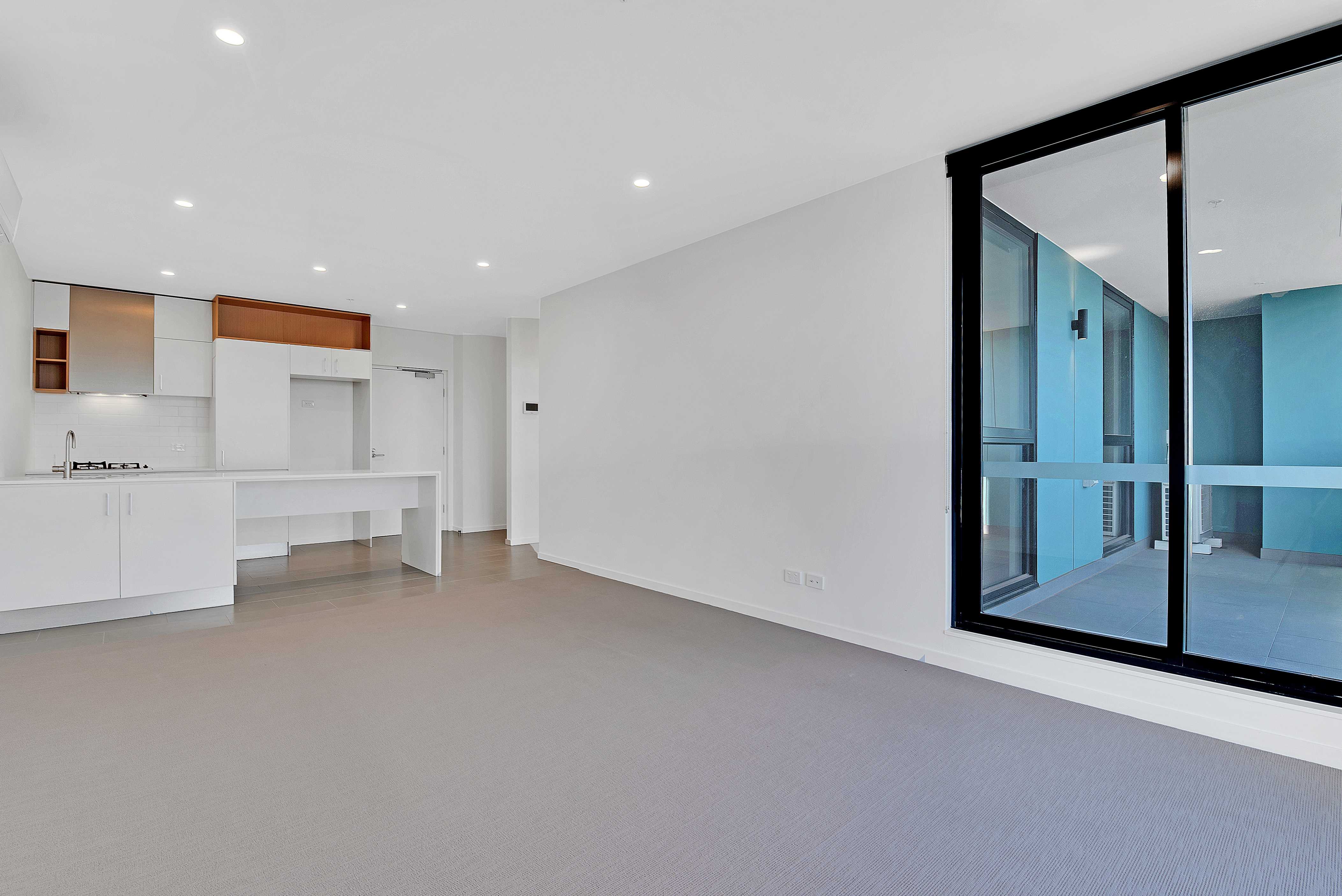
A PVC False Ceiling uses lightweight panels made from polyvinyl chloride. These panels are generally available in different colours, patterns, and finishes, including designs that imitate wood.
PVC panels are often selected for spaces where easier cleaning and moisture resistance are important.
Some advantages of PVC false ceilings include:
- Lightweight panels: PVC panels are relatively lightweight.
- Easy cleaning: The surface can generally be wiped clean.
- Moisture resistance: Offers good resistance to moisture under suitable installation conditions.
- Multiple finishes: Available in different patterns, colours, and decorative finishes.
PVC is not suitable for every situation. Its heat resistance, fire performance, and durability depend on the specific product. Some panels may discolour or deform when exposed to excessive heat, and product fire ratings should be checked before installation.
PVC can be considered for utility areas and selected bathrooms, provided the product and supporting framework are appropriate for the conditions.
When comparing Gypsum vs POP Ceiling options with PVC, consider the finish, design flexibility, installation method, moisture suitability, and maintenance requirements.
The following comparison highlights the major differences between these three materials:
- Finish: Gypsum offers a smooth, seamless finish; POP can provide a smooth finish with skilled application; PVC has a panel-based finish.
- Design flexibility: Gypsum supports good design flexibility, POP is excellent for customised shapes, and PVC depends on the available panel designs.
- Installation: Gypsum uses boards and a framework, POP requires application and finishing, and PVC panels are fitted to a framework.
- Moisture suitability: Standard gypsum boards need protection, POP is unsuitable for persistent dampness, and PVC is generally moisture-resistant.
- Maintenance: Gypsum may need repair and repainting, POP may require patching, and PVC is usually easy to wipe clean.
- Best suited for: Gypsum works well in living rooms and bedrooms, POP suits decorative ceilings, and PVC can suit selected humid or utility areas.
The final cost and performance depend on the product quality, design complexity, labour, framework, and installation conditions. Compare these factors before selecting a ceiling material for your home.
Living rooms often benefit from a ceiling that complements furniture, lighting, and the overall interior theme. The selected design should support the room's appearance without making the space feel crowded.
Gypsum is a popular option for clean, modern designs with recessed lights, layered sections, and concealed lighting. Its seamless finish can complement contemporary living room interiors.
POP can be useful for customised patterns and decorative features. It offers flexibility when homeowners want more elaborate ceiling details.
PVC may suit certain interiors where panel finishes are preferred, but its appearance should be coordinated with the rest of the room.
For False Ceiling for Modern Homes, gypsum is often a strong choice for a seamless appearance, while POP suits more elaborate designs. The best option depends on your preferred style, ceiling height, and budget.
Bedroom ceilings should support a calm atmosphere without making the room feel crowded. The selected material and design should complement the bedroom's furniture, lighting, and overall interior theme.
Gypsum can create a simple ceiling with soft cove lighting, while POP allows decorative borders and personalised details. PVC panels may be considered when a panel-based finish suits the room's design.
When planning a bedroom false ceiling, consider the following points:
- Choose a ceiling design that complements the bedroom interior.
- Consider soft cove lighting for a calm atmosphere.
- Use decorative details according to the room's design.
- Choose a suitable panel finish if considering PVC.
- Keep the ceiling design proportional to the room size.
In smaller bedrooms, simple layouts and subtle lighting can help maintain a spacious appearance. Avoid bulky designs that make the ceiling feel too low.
Bathrooms experience higher humidity and may have direct water exposure, so moisture suitability is essential when selecting a false ceiling material.
PVC ceiling panels can be a practical option because they resist moisture under suitable conditions and are relatively easy to clean. However, they must be installed with appropriate ventilation and compatible fixtures.
Standard gypsum and POP should not be exposed to persistent dampness or water leaks. Special moisture-resistant gypsum products may be appropriate in certain applications, but they are not a substitute for waterproofing.
Before installing a false ceiling in a bathroom, consider:
- The room's humidity and ventilation conditions.
- Whether the selected material is suitable for the environment.
- Compatibility of the ceiling panels and supporting framework.
- Suitable placement of lighting and other fixtures.
- Existing water leaks or dampness that need attention.
Always address leaks and ventilation problems before installing a false ceiling.
The lifespan of a false ceiling depends on material quality, installation, environmental conditions, and ongoing maintenance. Selecting a suitable material and ensuring proper installation can help maintain the ceiling's appearance.
Each material has different maintenance requirements:
- Gypsum: Gypsum ceilings may require repainting or repairs if joints crack or the surface is damaged.
- POP: POP ceilings may need patching where cracks develop.
- PVC: PVC panels can generally be wiped clean, although damaged panels, discolouration, or loose fittings may require attention.
Regular inspection is important for all false ceiling materials. Check periodically for stains, sagging, cracks, or signs of moisture.
Address any water leakage promptly, and ensure electrical fixtures are installed safely. Appropriate maintenance helps identify potential problems before they become more serious.
Gypsum, POP, and PVC each have their own strengths and limitations. Understanding these differences can help you choose a material that suits the intended room and design requirements.
- Gypsum: Offers a smooth finish and modern design flexibility, but standard boards can be damaged by moisture.
- POP: Supports intricate and customised designs, but requires skilled application and adequate drying time.
- PVC: Provides lightweight, moisture-resistant panels that are easy to clean, but product quality, appearance, and fire performance vary.
There is no single material that is ideal for every room. A ceiling that works well in a living room may not be the right choice for a bathroom or utility area.
Comparing the intended use, installation requirements, and long-term maintenance helps narrow the choices. Always consider the product specifications before making a final decision.
Selecting the Best False Ceiling Material involves more than choosing an attractive design. The material should suit the room's environmental conditions, ceiling height, lighting requirements, and maintenance preferences.
Consider these practical points before finalising your ceiling:
- Room conditions: Check humidity, ventilation, and potential water exposure.
- Design preference: Decide whether you want a seamless surface, decorative details, or panel finishes.
- Ceiling height: Avoid bulky designs that make a low ceiling feel smaller.
- Lighting plan: Consider recessed lights, cove lighting, and access to electrical services.
- Budget: Include framework, labour, finishing, lighting cut-outs, and future maintenance.
- Product quality: Confirm specifications, installation methods, and fire performance where relevant.
Aadya Interiors can help homeowners compare suitable design approaches and plan a false ceiling that complements the rest of their interiors.
Proper planning and installation are important for achieving a false ceiling that performs well and maintains its appearance. Before starting the work, review the material specifications and the conditions of the room.
Some important installation considerations include:
- Check the room's moisture and ventilation conditions.
- Confirm that the selected material suits the intended space.
- Review the supporting framework and installation method.
- Plan the placement of electrical wiring and lighting fixtures.
- Check product quality and relevant fire performance details.
- Discuss the finishing requirements and maintenance process.
- Resolve existing leaks and dampness before installation.
Skilled installation and appropriate product selection can help reduce issues such as cracks, loose fittings, and surface damage. Discuss the complete installation requirements before approving the work.
Selecting a suitable false ceiling is an important part of creating a comfortable and visually balanced home. The material, ceiling layout, lighting arrangement, and room conditions should work together to achieve the desired result.
Aadya Interiors can help homeowners explore suitable false ceiling materials and compare design approaches based on their interior requirements.
Whether you prefer the smooth finish of gypsum, the decorative flexibility of POP, or the panel-based appearance of PVC, it is important to consider the intended room, product quality, and installation conditions.
From living rooms and bedrooms to selected utility spaces, thoughtful ceiling planning can help bring together lighting, functionality, and interior aesthetics.
Connect with Aadya Interiors to discuss suitable false ceiling materials and explore designs that complement your home.
Gypsum is often preferred for smooth, modern ceiling designs, while POP is useful for intricate customised patterns. The right choice depends on the design, installation conditions, and budget.
PVC can be suitable for bathrooms because it resists moisture under appropriate conditions. Proper ventilation, installation, and product selection remain important.
Common options include gypsum boards, POP, PVC panels, metal, and wood-based materials. Each has different design, maintenance, and environmental requirements.
Gypsum is a popular choice for modern homes because of its seamless finish and lighting flexibility. POP and PVC may also suit specific designs and room conditions.
Maintenance varies by material. Gypsum and POP may require surface repairs or repainting, while PVC panels are generally easy to clean. All ceilings should be inspected for moisture damage.
Consider the room's humidity, design, ceiling height, lighting needs, installation quality, and budget. An interior design professional can help compare suitable options.
Gypsum, POP, and PVC each offer different advantages for residential false ceilings. Gypsum suits smooth, contemporary finishes; POP supports decorative customisation; and PVC can work well in selected moisture-prone spaces.
The right decision depends on the room, desired appearance, product quality, and installation conditions. Understanding these factors can help you select a false ceiling that suits your home's design and practical requirements.
Aadya Interiors can help you explore suitable false ceiling materials and create a design that balances aesthetics, functionality, and long-term value.
Plan your false ceiling thoughtfully and create an interior that combines style, comfort, and functionality.