
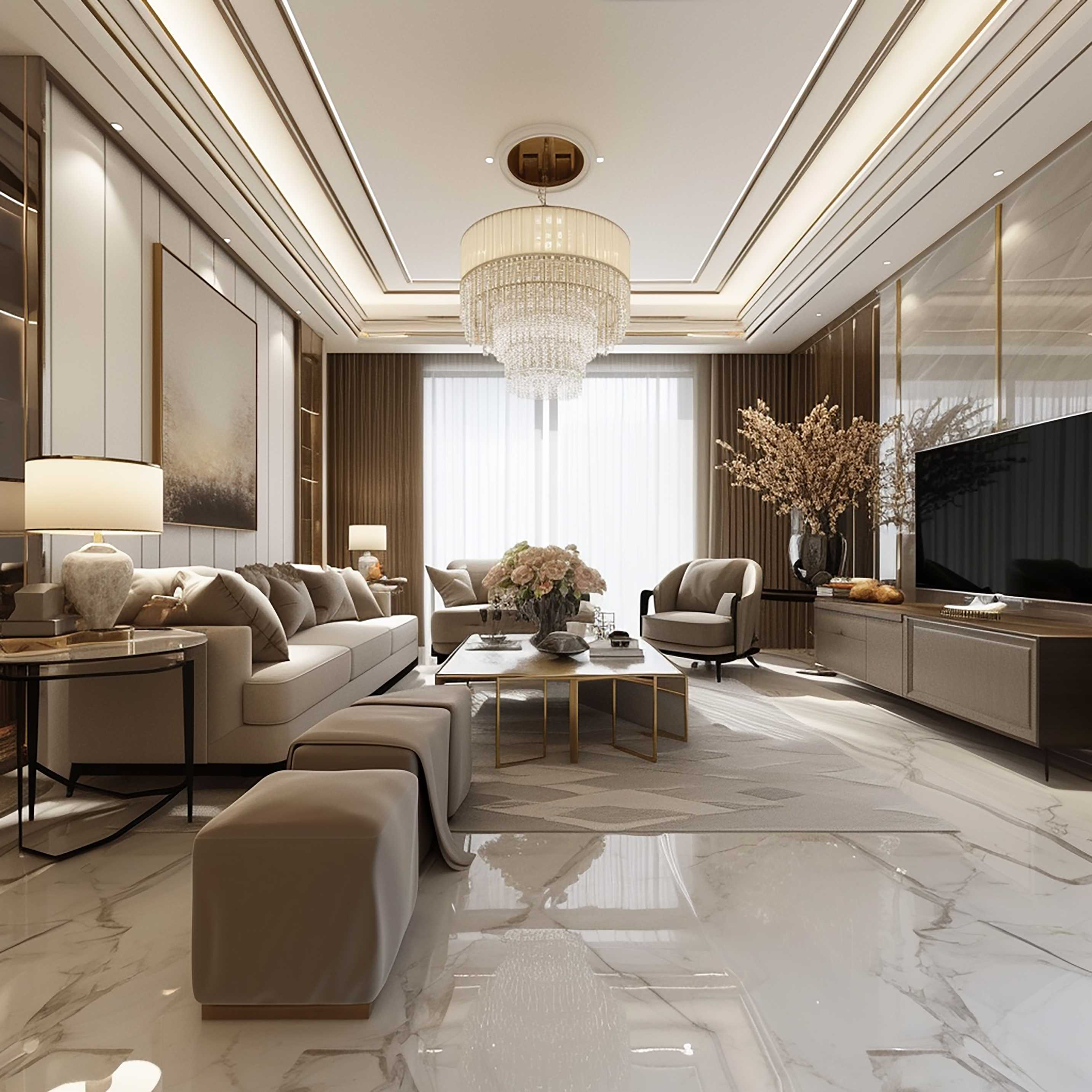
Modern Indian homes are becoming smarter, more comfortable, and more connected. From controlling lights with your smartphone to opening curtains through voice commands, technology is changing how people experience their living spaces. Smart home automation makes everyday activities easier while adding convenience, security, and energy efficiency.
Today, homeowners are looking for interiors that combine attractive designs with intelligent technology. Whether you are designing a new apartment or renovating an existing home, integrating automation into your interiors can transform your lifestyle.
If you are exploring Home Automation in Hyderabad, understanding the available technologies can help you create a home that matches your comfort, style, and daily requirements.
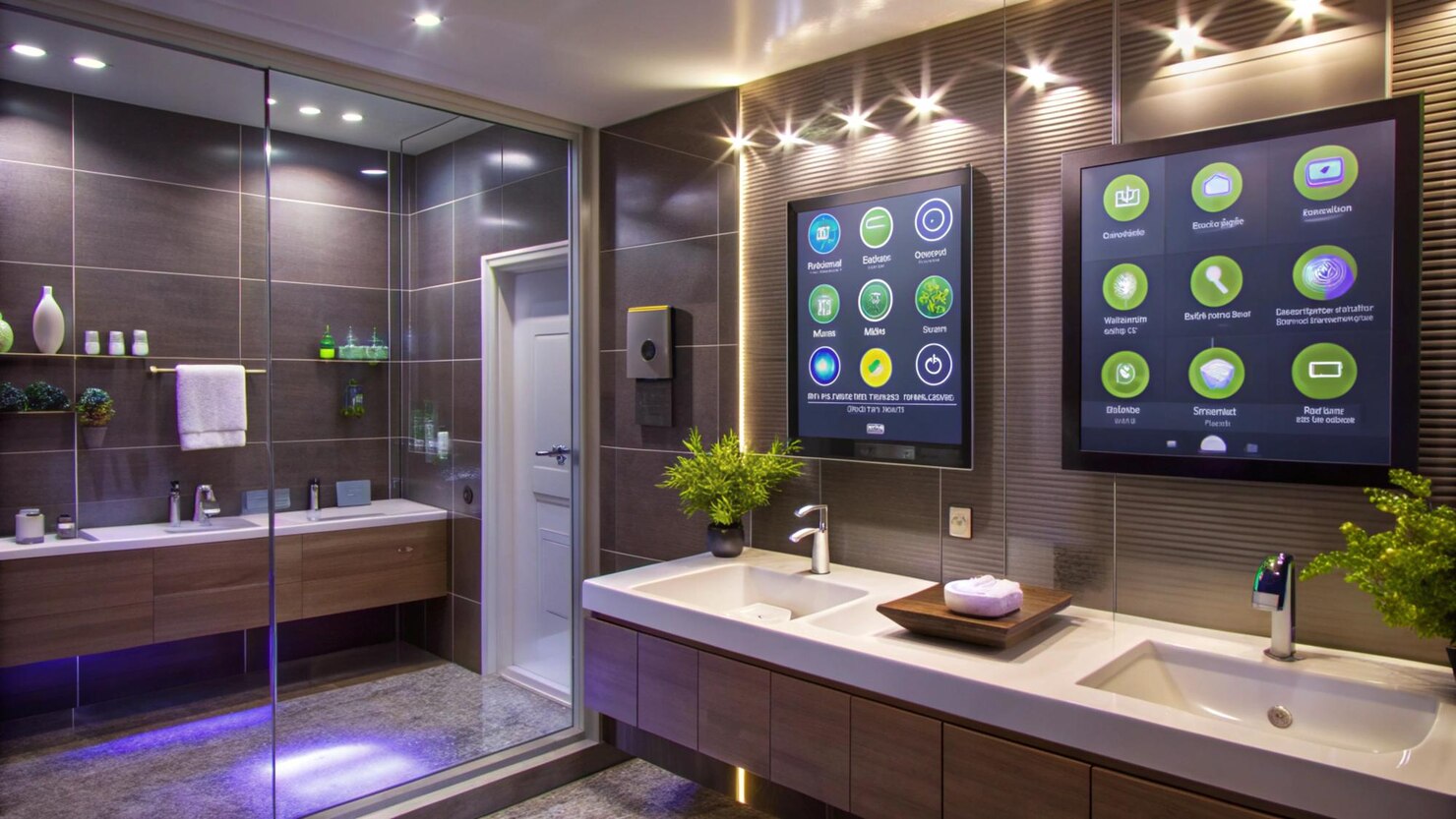
Smart home automation refers to using connected devices and technology to control different household functions automatically or remotely. It allows homeowners to manage everyday activities through mobile applications, voice assistants, automated schedules, and centralized control systems.
Instead of operating every appliance manually, compatible smart devices can work together to make household management easier. Homeowners can control lighting, air conditioning, curtains, entertainment systems, and security devices from a connected platform.
Common smart home solutions include:
- Automated lighting and fans: Control lighting and compatible fans using applications or scheduled settings.
- Smart air conditioning systems: Manage compatible cooling systems remotely.
- Motorized curtains and blinds: Open and close window coverings automatically.
- Smart door locks: Manage compatible entry systems using digital controls.
- Security cameras and motion sensors: Monitor selected areas of your home.
- Voice-controlled home devices: Operate compatible devices using voice commands.
These technologies make everyday household activities more convenient and improve the overall functionality of modern interiors.
Indian homeowners are increasingly adopting intelligent home technology to make their living spaces more comfortable and efficient. Smart technology can be integrated into apartments, villas, independent houses, and luxury residences.
From simple lighting controls to advanced centralized automation, homeowners can select features according to their lifestyle and daily requirements.
Some popular modern home automation ideas include:
- Scheduling lights according to daily routines.
- Controlling air conditioning remotely.
- Automating curtains based on sunlight.
- Monitoring home security through mobile applications.
- Creating customized lighting scenes for different activities.
- Managing multiple devices through a central control system.
With smart home interior design, technology becomes part of the interior experience rather than an additional feature. Proper planning helps integrate devices, switches, wiring, and controls without disturbing the overall appearance of the home.
Lighting plays an important role in creating the right atmosphere in a home. Smart lighting solutions allow homeowners to control brightness, colours, and schedules according to their preferences.
These systems can be customized for different rooms and activities, helping create comfortable lighting environments throughout the day.
Some useful smart lighting applications include:
- Automated Lighting: Schedule lights to switch on or off at specific times.
- Dimmable Lights: Adjust brightness for reading, relaxing, or entertaining guests.
- Motion Sensors: Automatically activate lights when someone enters a room.
- Scene-Based Lighting: Create different lighting settings for bedrooms, living rooms, and dining areas.
For example, homeowners can create a relaxing evening lighting scene or a brighter setting for working and reading. These settings can be activated through compatible applications, switches, or voice assistants.
Smart lighting can improve convenience and help reduce unnecessary electricity consumption when properly configured.
Automated curtains and blinds combine functionality with modern interior aesthetics. Motorized systems allow homeowners to open or close curtains using a smartphone, remote control, or compatible voice assistant.
They are especially useful for large windows, tall glass doors, and spaces where manually operating curtains may be inconvenient.
Some important benefits of automated curtains include:
- Convenient operation of large or hard-to-reach windows.
- Better control over natural sunlight.
- Improved privacy.
- Reduced glare on television and computer screens.
- Scheduled opening and closing based on daily routines.
Homeowners can also create schedules to open curtains in the morning and close them in the evening. This makes it easier to manage natural lighting and privacy.
Automated curtains can be integrated with smart lighting and other home automation systems to create a coordinated living experience.
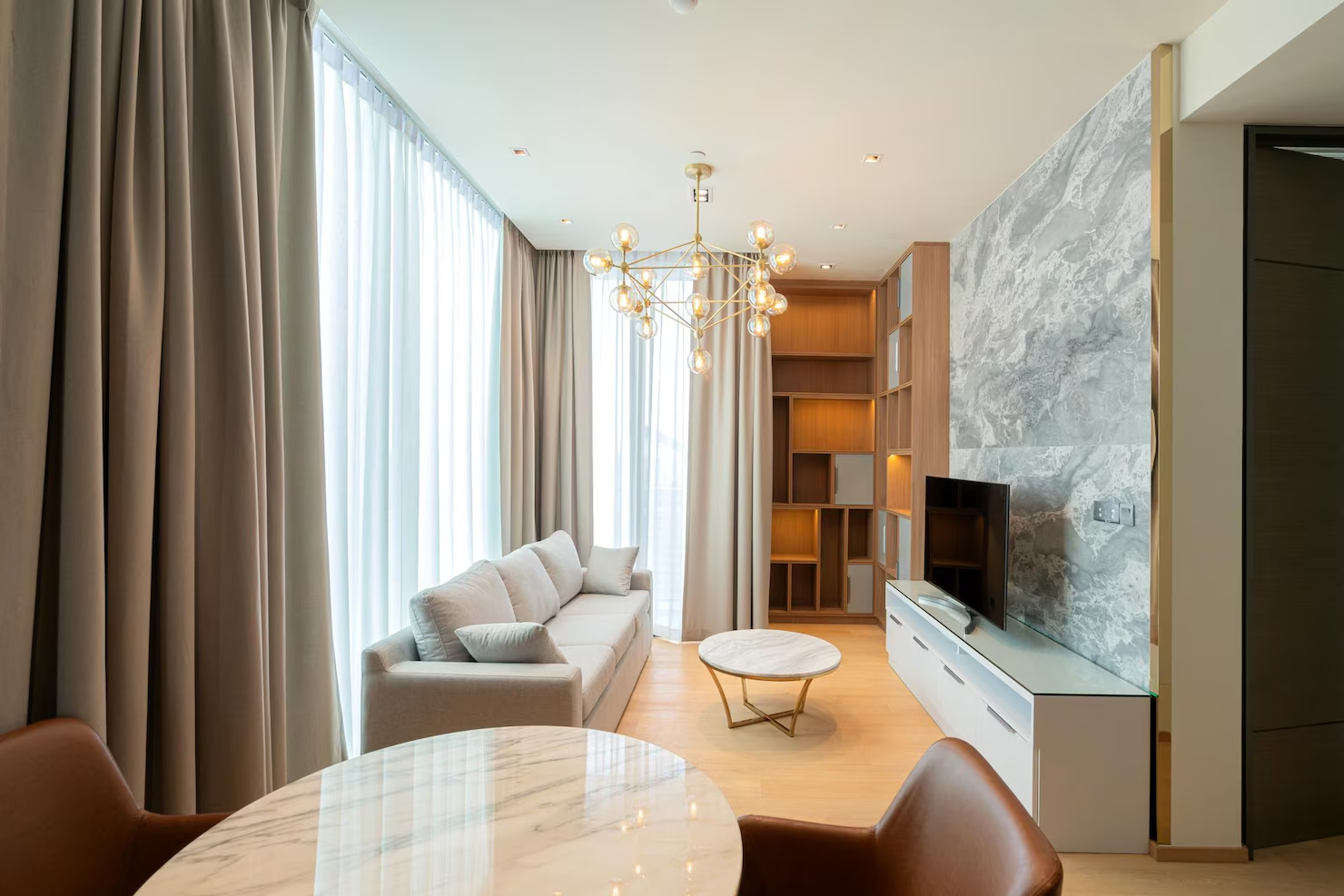
Home security is an important consideration for every homeowner. Smart security systems provide additional monitoring and control through connected devices.
These systems allow homeowners to monitor selected areas of their property and receive notifications through compatible mobile applications.
Popular smart home security options include:
- Smart Video Doorbells: View visitors and communicate through compatible devices.
- CCTV Cameras: Monitor selected areas with remote viewing features.
- Digital Door Locks: Manage compatible entry systems using digital access methods.
- Motion Detection Sensors: Receive alerts when movement is detected in monitored areas.
- Smart Window and Door Sensors: Monitor the opening and closing of selected entry points.
- Mobile Security Notifications: Receive updates about connected security devices.
These systems allow homeowners to monitor their property even when they are away. Depending on the devices and internet connectivity, alerts can be received directly through mobile applications.
Selecting compatible devices and configuring appropriate security settings are important for creating a reliable home monitoring setup.
Voice-controlled home devices allow homeowners to operate compatible appliances without manually using switches or remote controls. By connecting devices to voice assistants, users can perform everyday tasks through simple commands.
Voice control can make home automation more accessible and convenient, particularly when multiple devices are connected to a compatible platform.
For example, homeowners can use voice commands to:
- Switch lights on or off.
- Adjust compatible smart thermostats.
- Operate motorized curtains.
- Play music through connected speakers.
- Control compatible smart plugs.
- Activate customized home scenes.
A single voice command can also activate a predefined scene when the connected devices and automation platform support that feature.
Voice control can be especially convenient when your hands are occupied or when you want to manage multiple devices together.
Combining automation with interior design offers several advantages. It improves the way homeowners interact with their living spaces while making everyday household management more convenient.
Some important benefits of smart home integration include:
- Everyday Convenience: Control multiple household devices through a single application or voice assistant.
- Better Energy Management: Automated schedules and sensors can help reduce unnecessary energy usage.
- Improved Security: Connected cameras, sensors, and smart locks provide additional monitoring.
- Personalized Comfort: Customize lighting, temperature, and curtains according to your preferences.
- Modern Aesthetics: Smart switches, concealed wiring, and integrated controls can complement contemporary interiors.
- Better Accessibility: Automation can make certain household activities easier for elderly people and individuals with mobility limitations.
The right combination of smart devices can make different areas of a home more functional. However, the features should be selected according to actual household requirements rather than adding unnecessary technology.
Planning is essential to ensure that your automation system works smoothly with your interior design. Before purchasing devices, identify the areas where automation can provide the most value.
Follow these practical steps when planning your smart home setup:
- Identify Your Requirements: Decide which areas need automation, such as lighting, curtains, security, or air conditioning.
- Set a Budget: Choose devices and systems according to your budget and priorities.
- Check Compatibility: Ensure that different devices can communicate with each other.
- Plan Electrical Wiring: Consider smart switches, power points, and network requirements during the interior design stage.
- Choose a Control System: Decide whether you prefer mobile applications, voice assistants, remote controls, or centralized panels.
- Consider Future Expansion: Select systems that allow additional devices to be integrated later.
Planning automation during the initial interior design stage can help avoid unnecessary wiring changes and installation expenses.
It is also important to discuss electrical requirements, device placement, network coverage, and installation arrangements before finalizing the design.
Different rooms have different functional requirements. A well-planned automation setup should consider how each space is used and which connected devices can improve its convenience.
Here are some practical ideas for different areas of your home:
- Living Room: Integrate smart lighting, automated curtains, entertainment controls, and voice assistants.
- Bedroom: Use automated lighting, motorized curtains, and compatible air conditioning controls.
- Kitchen: Consider suitable smart appliances, connected switches, and task lighting.
- Bathroom: Explore appropriate automated lighting and compatible ventilation controls.
- Main Entrance: Integrate video doorbells, digital locks, and security monitoring devices.
- Balcony: Consider automated outdoor lighting and suitable weather-resistant devices.
These solutions can be selected individually or connected through a common automation platform, depending on device compatibility.
A room-by-room approach helps homeowners introduce smart features gradually while maintaining a consistent interior design.
The cost of home automation in Hyderabad depends on the number of devices, technology, installation requirements, and level of integration. A basic setup may include selected smart switches and lighting controls, while advanced systems can include security, curtains, entertainment, and centralized automation.
Before choosing a system, homeowners should identify their priorities and compare available solutions.
Some important factors that influence the overall investment include:
- Number and type of smart devices required.
- Wireless or wired automation technology.
- Electrical modifications and installation requirements.
- Centralized control panels and integration systems.
- Compatibility with existing appliances.
- Network infrastructure and connectivity requirements.
- Future expansion and maintenance considerations.
Basic automation can be introduced gradually, while advanced systems generally require a larger investment. A detailed quotation can help homeowners understand the devices, installation work, and services included.
Choosing technology based on actual requirements can help create a practical smart home without unnecessary expenses.
Smart home automation systems can use wired or wireless technologies. The appropriate option depends on the property, installation stage, device requirements, and preferred level of integration.
Wired Automation: Wired systems use physical connections between compatible devices and control units. They may be suitable for new construction projects or homes where electrical wiring can be planned in advance.
Wireless Automation: Wireless systems communicate through supported wireless technologies. They can be useful for existing homes where major electrical modifications are not preferred.
Some important considerations when comparing both systems include:
- Installation: Wired systems may require planned wiring, while wireless devices can offer more flexible installation options.
- Connectivity: Wireless systems depend on their supported communication technology and network conditions.
- Expansion: Check whether additional devices can be integrated easily.
- Compatibility: Confirm that devices work with the selected control platform.
- Property Requirements: Consider whether the home is under construction or already occupied.
Both options have practical applications. The best choice depends on the property's requirements, available infrastructure, and long-term automation plans.
The future of smart home automation is moving towards more personalized, connected, and intelligent living spaces. As technology develops, homeowners will have more opportunities to manage household functions through integrated systems.
Some emerging smart home trends include:
- AI-Powered Automation: Intelligent systems that can adapt to household routines and preferences.
- Smart Energy Monitoring: Connected solutions that help homeowners monitor and manage electricity usage.
- Advanced Home Security: Intelligent detection and connected monitoring features.
- Integrated Entertainment: Coordinated entertainment, audio, and lighting systems.
- Energy-Efficient Appliances: Connected appliances with monitoring and scheduling features.
- Centralized Home Control: Manage multiple household functions through a common interface.
These developments are creating new possibilities for residential interior planning. Homeowners can choose technologies that support their daily routines while keeping comfort and functionality as priorities.
As technology develops, home automation interior design will become an increasingly important part of modern residential planning.
A modern home should combine visual appeal, comfort, and practical functionality. Smart home automation can help bring these elements together by integrating connected devices into the overall interior design.
Aadya Interiors can help homeowners explore interior design approaches that consider modern living requirements, space planning, and technology integration.
Whether you are planning smart lighting, automated curtains, connected security devices, or centralized controls, each feature should be selected according to your home's layout and daily requirements.
From planning device locations and electrical requirements to coordinating the overall interior appearance, thoughtful design can help create a comfortable and connected living environment.
If you are exploring Smart Home Solutions in Hyderabad, discuss your preferences, budget, and automation requirements to identify suitable options for your home.
Smart home automation uses connected devices to control lighting, curtains, security, appliances, and other household functions. These devices can be managed through mobile applications, voice commands, or automated schedules.
Smart lighting, automated curtains, digital door locks, security cameras, and voice-controlled appliances are useful options. Homeowners can select features based on their lifestyle and budget.
The cost of home automation in Hyderabad depends on the number of devices, technology, installation requirements, and level of integration. Basic automation can be introduced gradually, while advanced systems require a larger investment.
Yes. Many wireless smart home solutions can be installed in existing houses without major electrical modifications. However, some advanced systems may require additional wiring.
Some smart devices support local controls and scheduled functions without an internet connection. However, remote access and certain cloud-based features may require internet connectivity.
Yes. Compatible devices can be connected through a common automation platform. Homeowners can create customized scenes that coordinate lighting and curtain movements.
Smart home automation is changing the way Indian homeowners design and experience their living spaces. From intelligent lighting and automated curtains to advanced security and voice-controlled devices, technology makes everyday living more convenient and personalized.
The right automation setup depends on your home layout, lifestyle, preferred technology, and budget. Careful planning can help integrate smart devices into your interiors while maintaining a balance between aesthetics and functionality.
If you are planning Smart Home Interior Design or exploring Smart Home Solutions in Hyderabad, Aadya Interiors can help you explore living spaces that bring together functionality, aesthetics, and modern technology.
Make your home smarter, more comfortable, and ready for the future with thoughtfully planned home automation.