
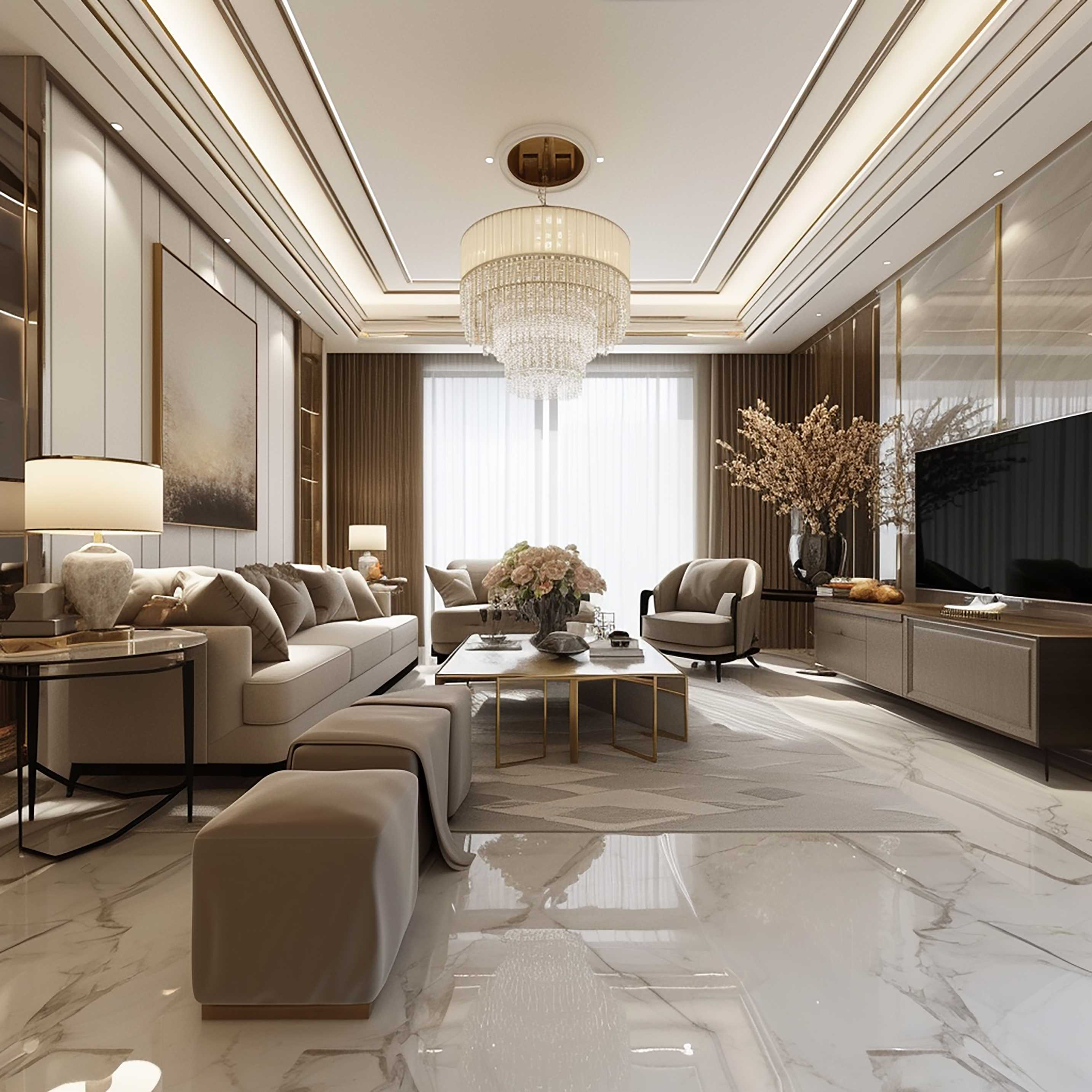
Modern families want homes that offer more than attractive interiors. They look for comfortable spaces, practical layouts, convenience, and technology that makes everyday activities easier. Smart home interior design brings these elements together by combining contemporary design with intelligent home technology.
From automated lighting and motorised curtains to connected kitchen appliances and multifunctional furniture, smart features can make a home more organised and comfortable. These solutions can be planned for apartments, villas, and independent houses.
If you are exploring Smart Home Interior Design in Hyderabad, choosing the right combination of design and automation can help create a living space that suits your family's lifestyle.
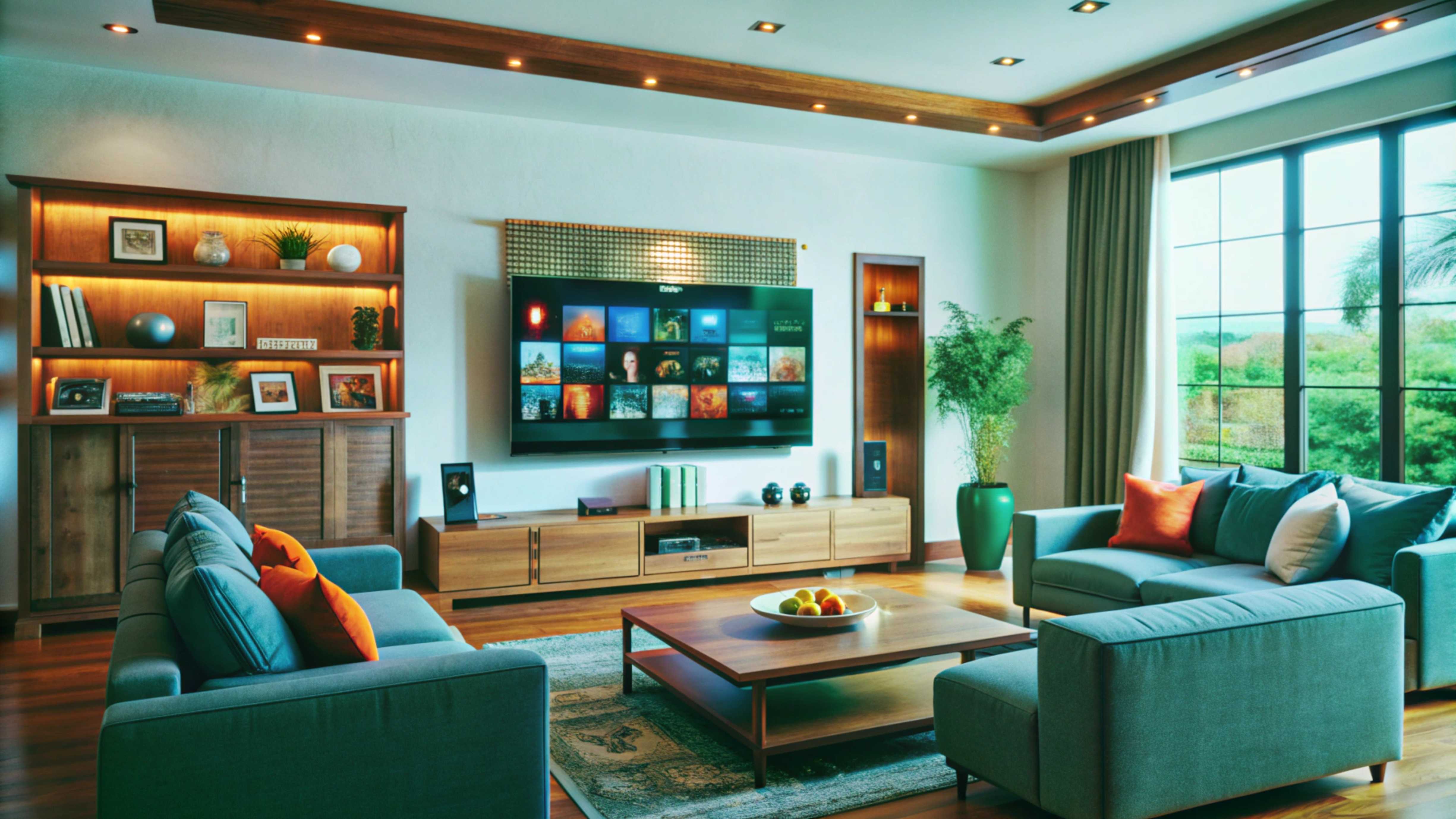
Smart home interior design combines interior decoration, space planning, and home automation technology to make residential spaces more functional and convenient. It focuses on integrating intelligent devices into the home without compromising its appearance or comfort.
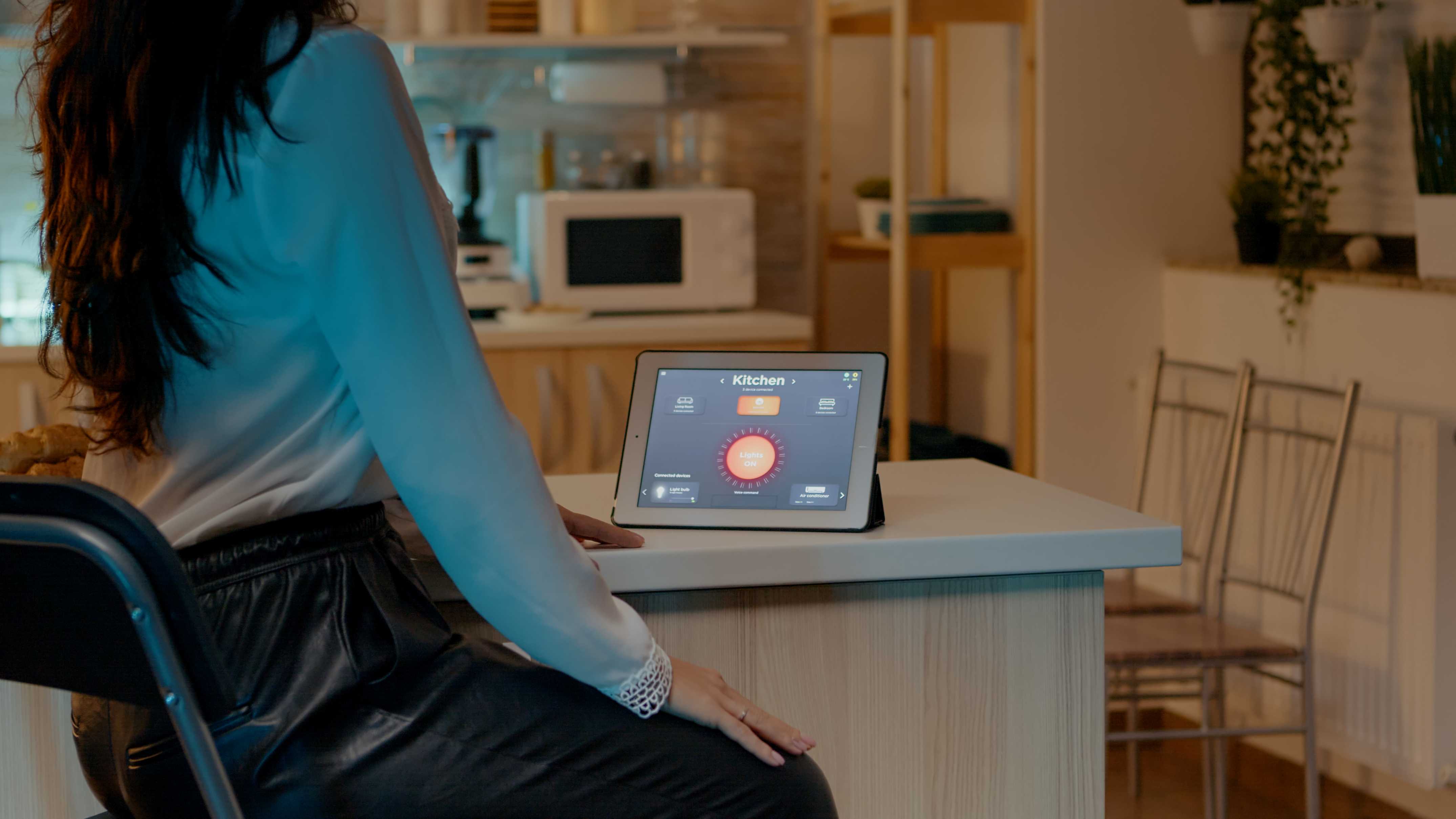
Homeowners can control compatible household systems through smartphones, voice assistants, remote controls, or automated schedules. This makes it easier to manage different activities from one place.
Common elements of smart home interior design include:
- Automated Lighting: Control brightness, lighting scenes, and schedules.
- Smart Security: Use compatible cameras, digital locks, and video doorbells.
- Motorised Curtains: Open and close curtains using remote or automated controls.
- Smart Appliances: Integrate compatible kitchen and household appliances.
- Voice-Controlled Systems: Operate selected devices using voice commands.
- Intelligent Sensors: Automate selected functions based on movement or other sensor inputs.
The objective is to create a home that looks attractive while supporting everyday activities through practical technology and thoughtful interior planning.
Modern families can benefit from smart features that improve convenience, security, comfort, and energy management. These technologies can be selected according to the family's daily routine, home layout, and budget.
Some popular smart home features for contemporary residences include:
- Smart Security: Smart locks, CCTV cameras, and video doorbells help homeowners monitor selected areas of their property.
- Voice Control: Compatible voice assistants can operate lights, appliances, and entertainment systems.
- Smart Temperature Control: Automated air conditioning and temperature settings help manage indoor comfort.
- Motion Sensors: Sensors can activate or switch off compatible lights based on movement.
- Smart Entertainment: Integrated home theatre systems and wireless speakers create a connected entertainment experience.
- Automated Switches: Smart switches allow selected electrical devices to be controlled remotely or through schedules.
These features can be incorporated into modern residential interiors with careful planning. Concealed wiring, suitable device placement, and coordinated finishes help maintain a clean and attractive appearance.
Lighting plays an important role in defining the atmosphere and functionality of a home. Smart lighting solutions allow homeowners to adjust brightness, colour temperature, and schedules according to their preferences and daily activities.
Different lighting settings can be planned for bedrooms, living rooms, kitchens, hallways, and dining areas. This makes it possible to create comfortable environments for relaxing, working, reading, and entertaining.
Some practical smart lighting ideas include:
- Bedroom Lighting: Use warm lighting and adjustable brightness to create a relaxing atmosphere.
- Hallway Automation: Install compatible motion sensors to activate lights when someone enters a passage.
- Living Room Scenes: Create different lighting settings for watching television, reading, or entertaining guests.
- Kitchen Lighting: Add smart lighting under cabinets and near work surfaces.
- Scheduled Lighting: Set lights to switch on or off at selected times.
Smart lighting can also help reduce unnecessary electricity consumption when properly configured. Selecting suitable fixtures and planning their placement ensures that technology blends naturally with the interior design.
Automated curtains and smart window systems add convenience and a refined appearance to contemporary homes. Motorised curtains allow homeowners to open or close window coverings using a smartphone, remote control, or compatible voice assistant.
These systems can be particularly useful in rooms with large windows, high ceilings, and wide glass doors where manual curtain operation may be inconvenient.
Some advantages of automated curtains include:
- Convenient operation of large or hard-to-reach curtains.
- Better control over natural sunlight entering the room.
- Improved privacy through scheduled curtain operation.
- Reduced glare on television and computer screens.
- Integration with compatible smart lighting systems.
- Scheduled opening and closing according to daily routines.
For example, curtains can be scheduled to open in the morning and close in the evening. This helps homeowners manage natural light and privacy without operating the curtains manually.
When selected to match the room's colour palette and materials, motorised curtains can become a practical part of the overall interior design.
Furniture has a major influence on how comfortably a home can be used. In apartments and compact homes, choosing multifunctional furniture can help families make better use of available space while maintaining an organised appearance.
Smart furniture combines practical storage, flexible layouts, and multipurpose functions. It can be especially useful in living rooms, bedrooms, dining areas, and work-from-home spaces.
Consider these space-saving furniture options:
- Storage Beds: Beds with built-in compartments for storing household items.
- Foldable Dining Tables: Flexible tables that can be folded or adjusted when not in use.
- Wall-Mounted Desks: Useful for creating compact work-from-home areas.
- Modular Sofas: Seating arrangements that can be rearranged according to requirements.
- Convertible Furniture: Furniture designed to serve more than one purpose.
- Hidden Storage Units: Cabinets and storage spaces that help maintain a neat interior.
Combining multifunctional furniture with suitable smart home technology creates practical interiors without making rooms feel crowded. Careful measurements and space planning are important when selecting these solutions.
The kitchen is one of the busiest areas in every home. A smart kitchen design focuses on convenience, organisation, accessibility, and efficient use of available space.
Connected appliances and carefully planned storage can simplify everyday kitchen activities. The right combination of technology and modular furniture also helps maintain a clean and functional cooking environment.
Some useful smart kitchen features include:
- Smart Refrigerators: Compatible refrigerators with advanced food management and monitoring features.
- Touchless Faucets: Sensor-operated taps that reduce the need for manual operation.
- Motion-Sensor Lighting: Cabinet and task lighting that activates when movement is detected.
- Smart Ovens: Connected cooking appliances with supported monitoring and control features.
- Modular Cabinets: Pull-out storage, organised drawers, and accessible compartments.
- Charging Points: Conveniently positioned electrical points for kitchen devices.
A well-planned kitchen should also include proper ventilation, sufficient workspace, suitable lighting, and easy access to frequently used items.
Combining these features creates a modern kitchen that supports everyday family requirements while maintaining an attractive and organised appearance.
Home automation connects compatible household systems so that different devices can operate together. Instead of controlling every device separately, homeowners can create customised settings for different activities and times of the day.
For example, an evening routine could dim the lights, close the curtains, and adjust the air conditioning to a preferred setting, provided the connected devices support these functions.
Other useful home automation options include:
- Controlling compatible appliances remotely.
- Scheduling lighting and air conditioning.
- Monitoring connected home security devices through mobile applications.
- Creating automated routines for different times of the day.
- Managing selected electrical devices through smart switches.
- Connecting compatible entertainment and lighting systems.
Before installing home automation systems, homeowners should consider device compatibility, internet connectivity, electrical requirements, privacy settings, and long-term maintenance.
Proper planning helps ensure that automation supports everyday living rather than making household systems unnecessarily complicated.
Planning smart home interiors requires a balance between technology, aesthetics, available space, and budget. Homeowners should identify their actual requirements before choosing automation devices or finalising furniture and interior finishes.
Follow these important steps when planning a smart home:
- Understand Your Lifestyle: Identify the smart features that will genuinely improve your family's daily routine.
- Set a Budget: Decide how much you want to invest in automation, furniture, lighting, and interior finishes.
- Plan Electrical Points: Include suitable positions for smart switches, charging points, sensors, and network connections.
- Choose Compatible Devices: Select products that can work together through a suitable control system.
- Focus on Space Planning: Position furniture, storage, lighting, and automation features carefully.
- Plan for Future Upgrades: Consider flexible systems that allow additional smart features to be added later.
For homeowners exploring Smart Home Interior Design Hyderabad, planning these requirements during the initial design stage can help avoid unnecessary changes and installation difficulties later.
Discussing the layout, electrical requirements, device placement, and automation preferences before starting the work can help create a more coordinated result.
Selecting the right interior designer is important when creating a home that combines modern technology with attractive and functional spaces. A suitable designer should understand your lifestyle, available space, design preferences, and automation requirements.
When choosing Smart Home Interior Designers in Hyderabad, consider the following factors:
- Residential Design Experience: Look for experience in planning modern homes and functional interiors.
- Automation Knowledge: Consider familiarity with home automation requirements and device integration.
- Creative Space Planning: Check how effectively the designer uses available space.
- Material and Finish Quality: Discuss suitable materials, fittings, and finishing options.
- Customised Designs: Choose an approach that considers your family's needs and preferences.
- Installation Coordination: Ensure that interior work and automation requirements are properly coordinated.
- Clear Project Estimates: Understand the proposed scope, costs, and project timelines.
Aadya Interiors focuses on creating modern and functional living spaces that reflect individual preferences and everyday requirements. Thoughtful planning can help homeowners balance comfort, style, and technology.
Smart home interiors can improve the way families use and manage their living spaces. By combining connected devices with practical interior planning, homeowners can create environments that are easier to operate and maintain.
Some important benefits of integrating smart technology into home interiors include:
- Greater Convenience: Control compatible devices through mobile applications, voice commands, or automated schedules.
- Personalised Comfort: Adjust lighting, curtains, and temperature according to household preferences.
- Better Organisation: Multifunctional furniture and planned storage help make better use of available space.
- Improved Monitoring: Connected security devices provide additional ways to monitor selected areas.
- Energy Management: Sensors and schedules can help reduce unnecessary use of selected electrical devices.
- Modern Appearance: Integrated controls and carefully planned device placement can complement contemporary interiors.
The benefits depend on the devices selected, their compatibility, and how they are configured. Choosing features according to actual household needs is more useful than installing technology that may rarely be used.
Every room in a home serves a different purpose. A well-planned smart interior should consider how each space is used and which design or technology features can make it more convenient.
Here are some practical smart interior ideas for different areas:
- Living Room: Combine smart lighting, automated curtains, entertainment controls, and comfortable modular seating.
- Bedroom: Consider warm adjustable lighting, motorised curtains, storage beds, and compatible air conditioning controls.
- Kitchen: Use modular cabinets, smart appliances, sensor lighting, and organised storage.
- Dining Area: Choose suitable lighting scenes, functional dining furniture, and convenient device controls.
- Work-from-Home Space: Include a wall-mounted or compact desk, task lighting, and accessible charging points.
- Bathroom: Consider suitable automated lighting and compatible ventilation controls.
A room-by-room approach helps homeowners select useful features without overcrowding the interiors. It also makes it easier to maintain a consistent design theme throughout the home.
The cost of smart home interiors in Hyderabad depends on the size of the property, selected materials, furniture requirements, number of automation devices, and installation complexity. A simple setup may focus on smart lighting and switches, while a more advanced project may include connected security, automated curtains, kitchen appliances, and integrated controls.
Before finalising a design, homeowners should identify their priorities and understand the different costs involved.
Important factors that influence the overall budget include:
- Size and layout of the home.
- Type and quantity of smart devices.
- Furniture design, materials, and storage requirements.
- Lighting fixtures and electrical modifications.
- Motorised curtains and window systems.
- Smart kitchen appliances and fittings.
- Automation control systems and device compatibility.
- Installation, maintenance, and future upgrade requirements.
Homeowners can introduce smart features gradually, starting with the areas that offer the most practical value. A detailed project estimate helps clarify the materials, devices, installation work, and services included.
Planning the budget according to actual requirements can help create a comfortable and functional home without unnecessary expenses.
A modern home should reflect the family's lifestyle while offering comfort, functionality, and visual appeal. Smart home interior design brings these elements together through thoughtful space planning, suitable furniture, and carefully selected technology.
Aadya Interiors focuses on creating living spaces that consider individual preferences, practical requirements, and contemporary design ideas.
Whether you are planning automated lighting, motorised curtains, multifunctional furniture, or a modern kitchen, each feature should be selected according to your home's layout and daily routine.
From planning furniture placement and storage to coordinating finishes and automation requirements, a thoughtful design approach can help create a comfortable and organised living environment.
If you are exploring Smart Home Interior Designers in Hyderabad, discuss your design preferences, budget, and functional requirements with Aadya Interiors to explore suitable options for your home.
Smart home interior design combines interior decoration, space planning, and connected technology to make a home more convenient and functional. It can include automated lighting, smart appliances, motorised curtains, security devices, and compatible home automation systems.
Smart lighting, automated curtains, smart security systems, voice-controlled devices, connected kitchen appliances, and multifunctional furniture are useful options. The right combination depends on the family's lifestyle, home layout, and budget.
The cost of smart home interiors in Hyderabad depends on the property size, materials, furniture, automation devices, and installation requirements. A basic setup may include selected smart lighting and switches, while advanced projects can include curtains, security, appliances, and integrated controls.
Yes. Many wireless smart home devices can be added to existing houses without major electrical modifications. However, some advanced automation systems may require additional wiring, compatible switches, or other installation work.
Yes. Compatible smart lighting and motorised curtain systems can be connected through a common automation platform. Homeowners can create customised routines that coordinate lighting and curtain operation according to their preferences.
Look for a designer with experience in residential interiors, practical space planning, suitable material selection, and an understanding of home automation requirements. Discuss your lifestyle, budget, design preferences, project scope, and installation coordination before making a decision.
Smart home interiors are changing the way modern families experience their living spaces. From automated lighting and motorised curtains to multifunctional furniture and connected kitchen appliances, the right features can make a home more comfortable, organised, and convenient.
Whether you are designing a new apartment or renovating your existing home, thoughtful planning can help balance technology, functionality, and visual appeal. Selecting features according to your lifestyle and budget is an important part of creating a practical smart home.
If you are planning Modern Smart Home Interior Design in Hyderabad, Aadya Interiors can help you explore design ideas that bring together comfort, style, and everyday convenience.
Create a home that looks beautiful, works intelligently, and makes everyday living easier.